
*previously known as waste no more*
2 year working project, which also served as my Senior Thesis
Project Brief
The app Waste No More helps consumers limit their food waste by keeping track of food in the pantry and refrigerator, recommending meals and snacks that use items that may be outdated soon, and organizing meal preps and grocery lists that can help save the user money by cutting down on food waste. This app is vital for those who are interested in easy ways to help save the plant and create a more sustainable lifestyle at home with ease. By using Waste No More consumers will cut down on food they purchase and begin to use and eat food more sustainably in the eyes of the earth.
Timeline
Project brief- 11/14
Component Table- 11/28
Multi-device flow chart- 11/28
UX Project- 11/28
Retrospective- 12/12/22
thesis adaptation 5/15/23
Connected UX Ecosystem
Product Press Release
Waste No More, the app that cuts food waste and saves you money, is launching this month. Food waste is at an all-time high, with Waste No More, Americans can use items in their home to create meals that use older ingredients first and in turn, start saving money and the planet all at once.
Component Table
Component
Experience goal
What part does this play in the overall orchestration of the connected UX experience? Why is it important?
Tech specs/requirements
If you had to bring this to product to life, what technologies would it require? For what platforms would you design? (Sensors, operating systems, hardware, software, programming languages, etc)
Alexa Skill
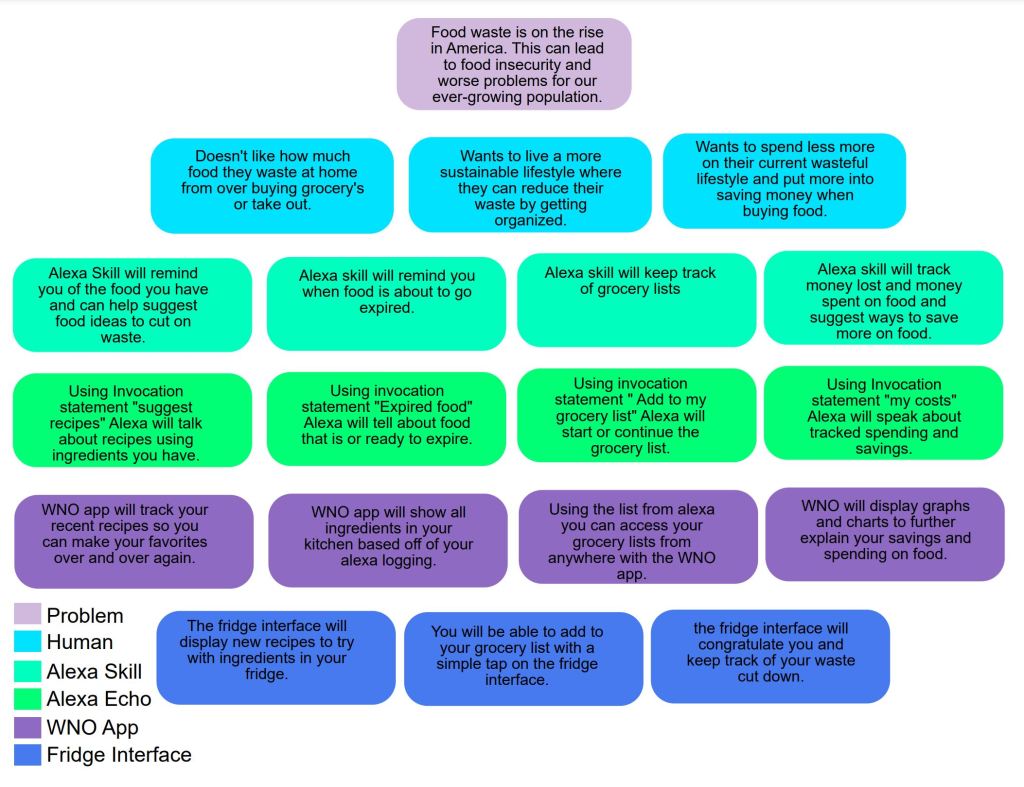
The Alexa skill will make it possible to keep track of all food in the home, all money spent and saved on food, all food waste, and all food expiration. This is the most important aspect as everything starts with the Alexa skill. By making it possible to keep everything tracked and organized, the Alexa skill starts to breach the problem of mass food waste and food insecurity in the united states and hopefully in other countries once further developed.
Blueprints for the skill to be used on amazon Alexa devices
Echo Dot
The amazon echo dot will be beneficial to this experience by recommending dinner ideas using ingredients logged by the user. Additionally, this VUI will remind them of expiration dates and relay tracked food loss and food saved. Finally, you will be able to make and keep grocery lists so that you can purchase your favorite foods and easily speak to the device in order to keep things simple. This is important because it helps hold the user accountable for each action they take with food whether it be food saved or food wasted.
Virtual Assistant Support Amazon Alexa OS Compatibility Fire OS Processor
Mobile App
The Waste No More app will keep track of recipes previously fixed so that users can make their favorites over and over again. Additionally, this app will show money saved and food waste cut down via graphs and charts. This is important to the user because it is hands-on and close to them since it will be an app on their phone. Furthermore, it will help keep everything together and show the user how much progress they have made from the starting point until now in time
For apple or android specs to be different across platforms.
Fridge Interface
This tablet will show users in detail recipes they can cook with ingredients they have, keep track of grocery lists and add to when needed. This device works hand in hand with the Waste No More app and the Alexa skill to keep everything cohesive and organized. This is important so that the user can understand their impact on the world around them by their cut down on food waste and promotion of food security. Additionally, the user will be happy that they waste less food and in turn waste less money.
For Apple IPad Pro 12.9″ Early 2020 4th Gen
Multi Device Flowchart
For who?
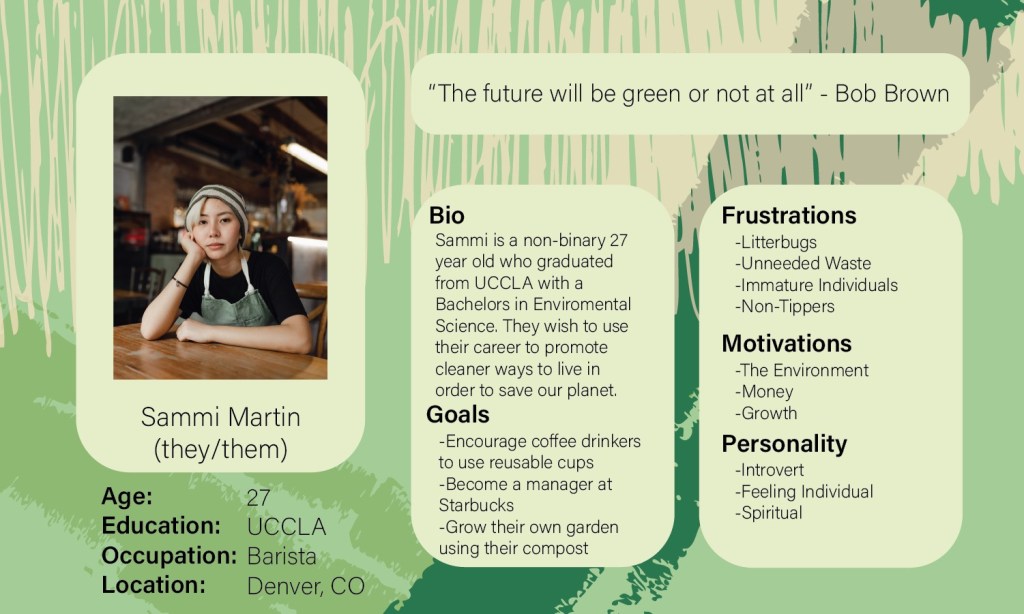
This Interface is for 20-38-year-olds who want to cut down on their food waste and are interested in evolving technology and interfaces to incorporate into their home lives.

Design Feedback
When presented to a non-designer, non-designer expressed that there should be an option where the Alexa skill or app will notify buyer of what not to buy based on prior expirations and waste and additionally, recommend what to add or what to buy to make sure favorites are kept stocked and you can easily add to your food consumption with new things you may like based on previously bought items.
Connected UX project
A year later in development – Creating an interface
The Research and The Question
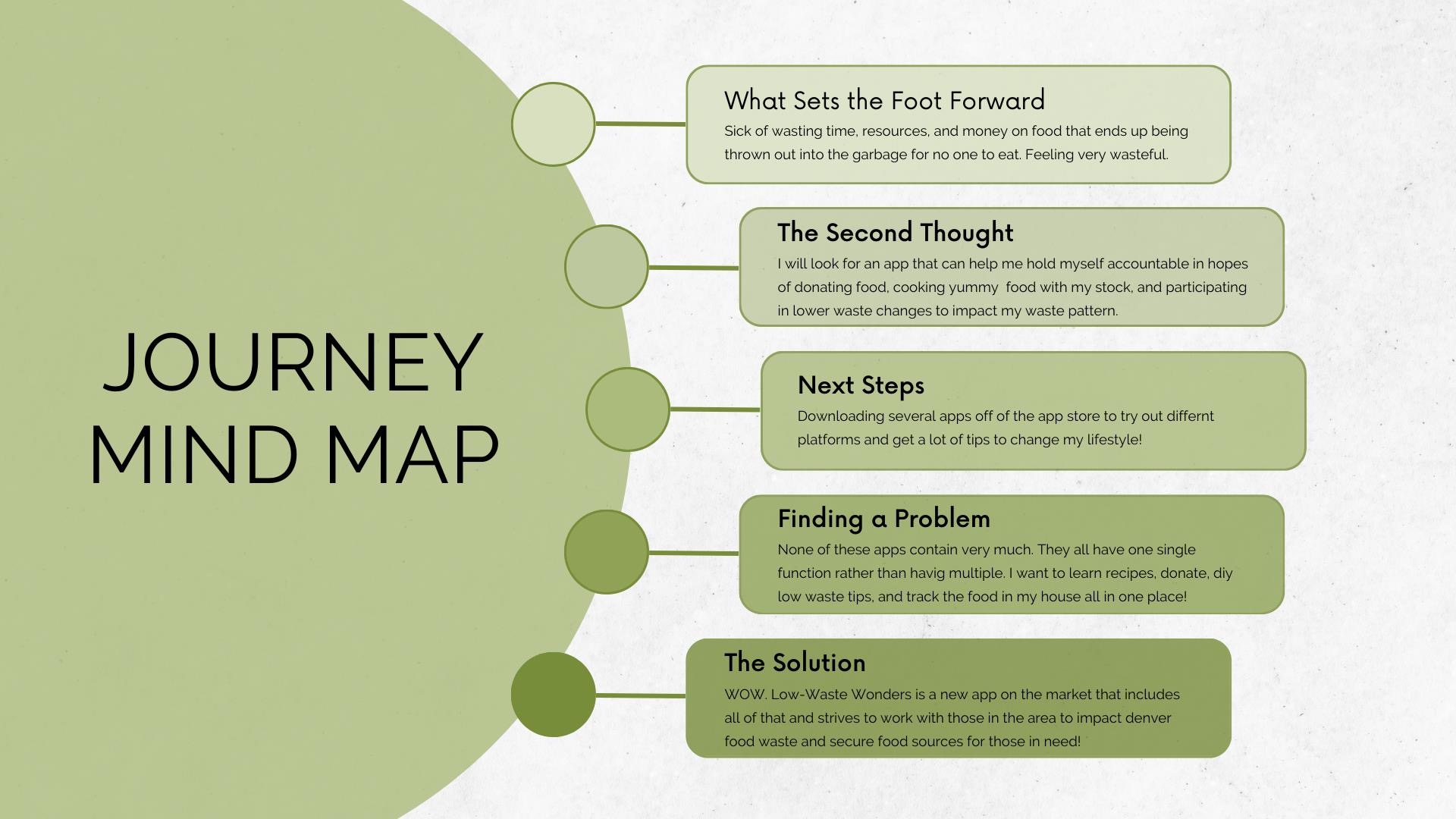
Food waste presents a significant global challenge, with a particularly substantial issue arising among Americans. Research has revealed that a considerable number of Americans frequently discard leftovers, neglect to utilize ingredients stocked in their pantries, freezers, and refrigerators, allow food to expire instead of using or donating it, and often fail to consider the environmental and societal ramifications of their food wastage. On an individual basis, the average American discards approximately 5 pounds of food weekly, with 4 pounds of that being perfectly edible. Consequently, a substantial portion of both cooked and raw food ends up in landfills. However, food’s journey to landfills is not solely attributed to individual wastage. The United States agriculture sector, in both the production and post-production phases, squanders around 40% of its cultivated crops, implying that a significant portion of these crops never leaves the fields. The staggering amount of food waste in the United States, spanning from individual practices to agricultural inefficiencies, underscores the urgent need for systemic changes to mitigate this wasteful trend.
Moreover, inefficiencies within agri-food systems exert a substantial environmental toll. Food loss and waste, in particular, serve as significant contributors to the depletion of natural resources and the proliferation of environmental pollution. The reduction of this wastage has the potential to provide up to 68 million meals to individuals across America facing food insecurity, as reported by 9NEWS in 2021. This undertaking is centered on the development of an application tailored to empower Denver residents in minimizing food wastage within their homes. The core question guiding this endeavor is: How can an interface design-based user experience be crafted to encourage sustainable, low-waste lifestyles among Denver’s 18-34-year-old demographic?
My profound interest in this subject matter was kindled by the adversities faced by myself and countless others. Originating from an economically disadvantaged community in Kentucky, the uncertainty of where the next meal would come from was a stark reality for many. While school provided two essential meals for some, many couldn’t afford them, leaving them to go without. My relocation to Denver heightened my awareness of the financial challenges, given its higher cost of living. The opportunity to pursue education, generously facilitated by my mother, was a dream I never thought I’d be able to pursue. Witnessing classmates on campus and in student housing thoughtlessly discard perfectly good, albeit expensive, food deeply affected me. The luxury of food security, knowing that sustenance was assured, was a privilege I had never experienced. While solving global hunger may exceed the scope of an undergraduate, I firmly believe that the skills I’ve cultivated over the years can be harnessed to create a user-friendly interface. This interface can effectively empower young Denver residents to reduce their food wastage, thereby facilitating more equitable food distribution within the community, mitigating carbon emissions and pollution, saving consumers money, and achieving broader sustainability goals.
Denver, a sprawling metropolis nearly 25 times larger than my hometown, teems with opportunities, but it also harbors a significant population in need. I firmly believe that many Denver residents can greatly benefit from embracing low-waste lifestyles as a part of their daily routines. Shockingly, statistics reveal that 2 in 5 individuals in the Denver metro area grapple with food insecurity. Compounding this issue is the fact that the average Denverite discards approximately 4 pounds of food, three pounds of which remain edible (Keating, 2021). Instead of channeling these edible resources toward donations, they find their way into dumpsters behind grocery stores, educational institutions, restaurants, and neighborhoods. This practice compounds the predicament for many Denver residents who are already struggling with food insecurity. Food insecurity transcends mere hunger; it encompasses the quality of food consumed. Unfortunately, calorie-dense yet nutrient-poor foods, often affordable, become the default choice. Consequently, food insecurity can not only lead to hunger but also to obesity and related metabolic health challenges over time (We Don’t Waste, 2021).
One effective approach to curbing the amount of food wastage at the household level involves embracing low-waste lifestyles. Low-waste living represents an environmentally conscious way of life aimed at diminishing an individual’s daily waste footprint. This endeavor encompasses a spectrum of practices, including but not limited to the support of locally sourced goods, composting, the purchase of imperfect produce, meticulous meal planning and preparation, resourceful utilization of leftovers, donating surplus food nearing expiration, and, crucially, the ongoing exploration of innovative waste-reduction strategies. The inception of the low-waste movement can be traced back to the 1980s when its primary focus was to curb and mitigate the rampant use of plastic. By the 1950s, a period marked by the global surge in consumerism, an alarming proliferation of landfills was witnessed, leading to escalating waste management challenges (Kellogg, 2021). A collective realization swiftly emerged that heightened consumerism correlated with increased landfill contributions, thereby contaminating soil, releasing substantial methane emissions, and exacerbating global warming. Embracing a zero or low-waste lifestyle, whether at home or in business settings, transcends individual impact; it has far-reaching communal benefits. These encompass facilitating the redistribution of surplus food and goods to those in need, economizing household expenses that can be reinvested within the community, fostering enhanced social cohesion, generating employment opportunities, bolstering the local economy, and mitigating localized pollution.
While adopting a low-waste lifestyle appears to be a commendable solution, it remains a relatively uncharted territory for many. The deterrents to widespread adoption stem from the perceived complexity and potential costliness of this lifestyle when contrasted with existing norms. Nevertheless, both learning and imparting the principles of low-waste living provide a vital avenue for managing and reducing waste within Denver households. It is essential to recognize that each of us dwells and dines within a unique set of circumstances. Our access to diverse kitchen facilities and cooking equipment, our dietary preferences and needs, varying schedules, and budget constraints all contribute to distinct considerations. Consequently, it is natural that one’s low-waste practices will manifest differently from those of others, reflecting the rich tapestry of individual circumstances.
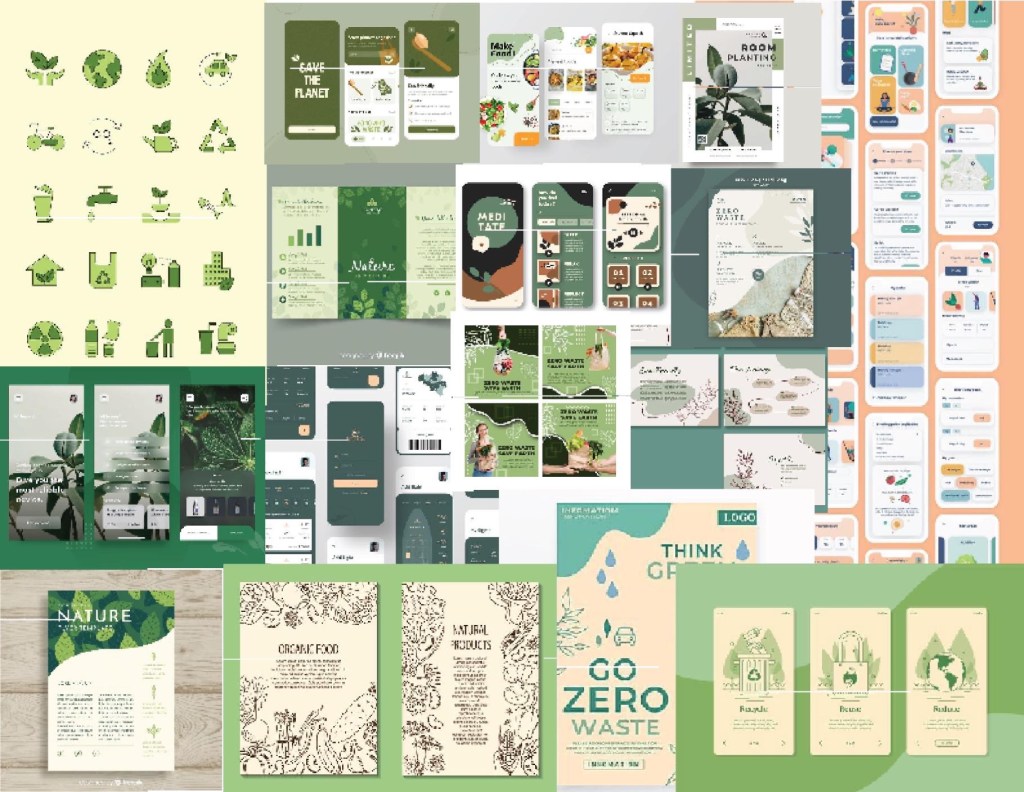
The application I am developing will be created using Adobe XD, with a color palette featuring soothing tones of green, tan, white, and black. Its design encompasses a multifaceted approach, aiming to provide a diverse range of resources. These include functionalities for tracking the contents of one’s fridge and pantry, facilitating food donations, generating recipes based on available ingredients, offering insights into composting and gardening, promoting the creative upcycling of soon-to-expire or leftover food, providing tips for food preservation, and presenting a map of nearby sources for sustainable food, considering aspects such as packaging and production processes. The rationale behind this user interface design is to efficiently disseminate valuable information to Denver residents, with minimal cost, thereby fostering a positive impact on our collective efforts to combat food wastage. While the initial focus of this interface centers on Denver, its future iterations hold the potential for broader application in various regions, offering a scalable approach to reducing food waste and assisting those in need.
By actively participating in low-waste living practices, individuals can significantly diminish their personal contributions to food wastage, thereby exerting a positive influence on the larger societal landscape. While the development of low-waste lifestyles remains an evolving process, the choices we make as proponents of this approach reflect our commitment to altering the dynamics of food, energy, finances, time, and resource consumption. Although it may take several years to mobilize a sizable collective impact through low-waste living, our individual endeavors underscore our sense of responsibility towards the well-being of our world, society, and the prospects of future generations
The App Design Process

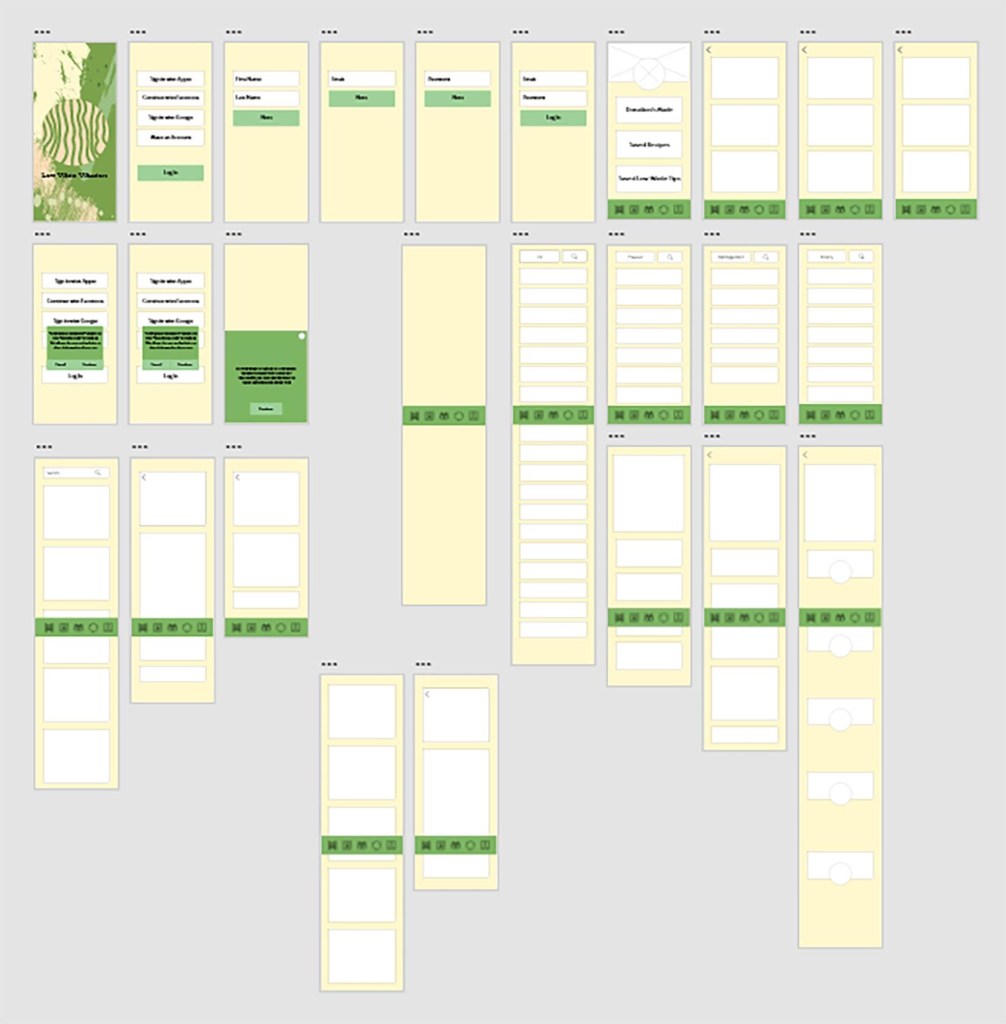

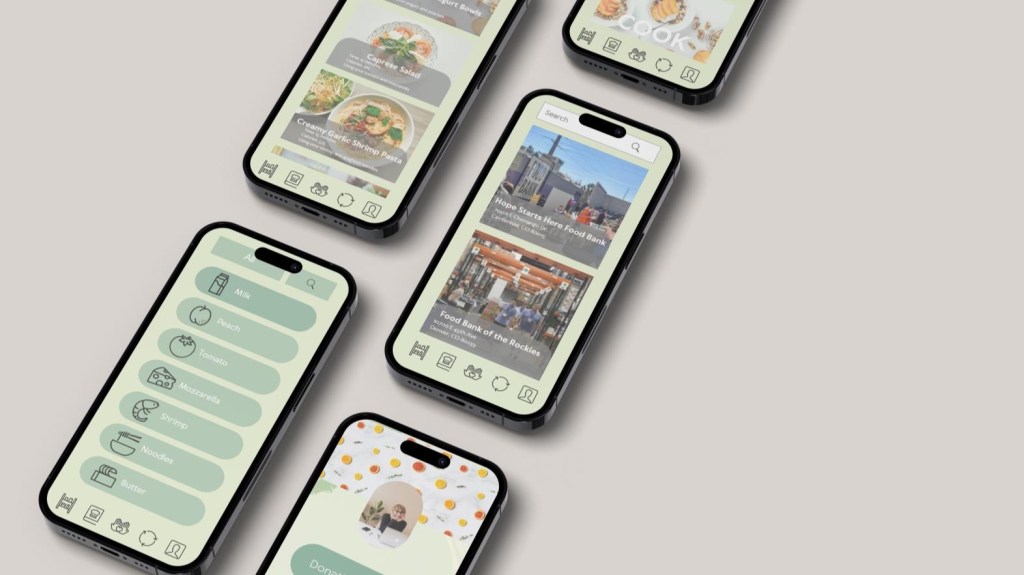
Interactive Prototype – Adobe XD App & Issuu Book

https://xd.adobe.com/view/97e7ed35-94e9-4dcb-a322-151f2aa01cba-c2b4/?fullscreen
 Kaetlyn Bailey